
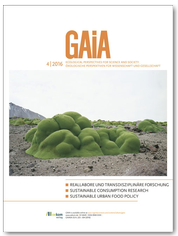
 Today’s food and agricultural systems are closely linked to pressing challenges for sustainable human life. Longer-term policy-making is seriously needed. Urban decision-makers have considerable power to shape the food and agricultural sector by, among other things, changing public food procurements towards greater sustainability.
Abstract
The aim of this comparative study is to explain variation in the ambitiousness of policy targets and the successful implementation of urban food policies in the cities of Zurich, Munich and Nuremberg. I conducted an in-depth process-tracing analysis of the mech- anisms behind the adoption and implementation of 13 sustainable food procurement regulations officially adopted by the city councils from 2003 to 2014. In all 13 cases, high electoral safety, credible expectations of long-term policy benefits and high executive insti- tutional capacity are necessary conditions for the adoption of long- term policies. However, they do not explain variation in target’s ambition and implementation’s success. Based on theory-building process-tracing, I argue that the variation in the degree of adoption and implementation success of long-term policies can be explained by five policy process and design features:
1. deliberative and cor- poratist governance mechanisms,
2. a high level of central coordi- nation for crosscutting policy implementation,
3. involvement of decision-makers in policy networks,
4. strong use of evidence-based instruments,
5. bundling of short-term and long-term benefits.
Governing Urban Food Systems in the Long Run. Comparing Best Practices in Sustainable Food Procurement Regulations GAIA 25/4 (2016): 260 – 270. Download here.

 Immer weniger Konzerne bestimmen weltweit über einen immer höheren Anteil der Lebensmittelerzeugung – zum Nachteil von Kleinbäuerinnen und -bauern, Landarbeiterinnen und -arbeitern sowie der regionalen Lebensmittelversorgung. Das zeigt der „Konzernatlas 2017“, eine Zusammenstellung von Analysen, Fakten und Grafiken zur Agrarindustrie. Die Herausgeber – Heinrich-Böll-Stiftung, Rosa-Luxemburg-Stiftung, Bund für Umwelt und Naturschutz Deutschland (BUND), Oxfam Deutschland, Germanwatch und Le Monde Diplomatique – warnen davor, dass die Konzentration im Agrarsektor die 2015 beschlossenen Nachhaltigkeitsziele der Vereinten Nationen gefährdet und fordern stärkere Kontrolle im Agrar- und Ernährungssektor.
 „Faced with a global threat to food security, it is perfectly possible that society will respond, not by a dystopian disintegration, but rather by reasserting co-operative traditions. This book, by a leading expert in urban agriculture, offers a genuine solution to today’s global food crisis. By contributing more to feeding themselves, cities can allow breathing space for the rural sector to convert to more organic sustainable approaches.“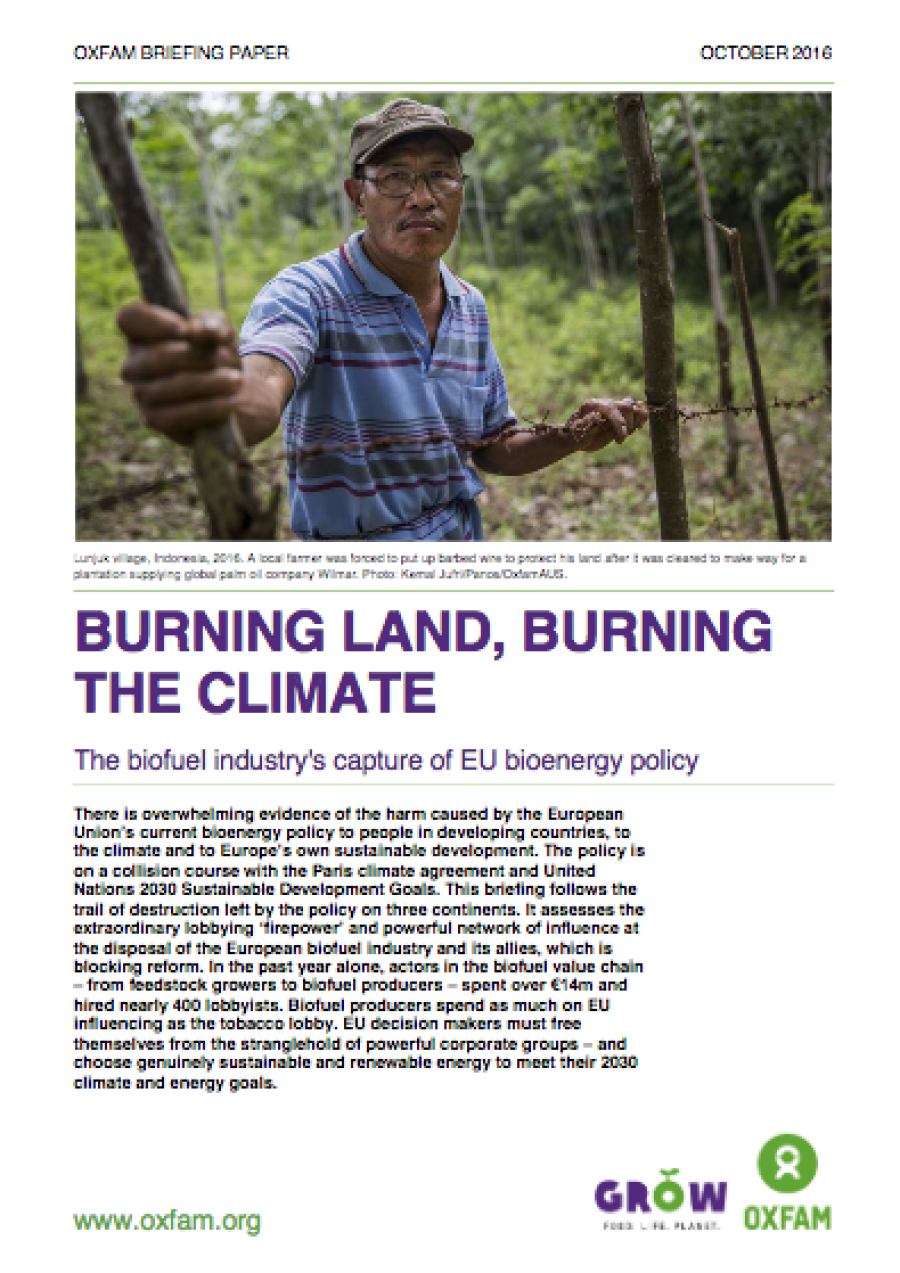
 Die Europäische Union muss ihre derzeitige Bioenergiepolitik beenden, da sie im Widerspruch zu den globalen Nachhaltigkeitszielen und dem Pariser Klimaabkommen steht: Sie führt zu einer Zunahme von Landkonflikten, Armut und Umweltschäden wie Beispiele aus Afrika, Asien und Lateinamerika zeigen. Der neue
 The latest issue of the UA Magazine: „Inclusive Use of Urban Space“ explores the issue of community engagement in shaping urban and periurban agriculture and food policies and plans. Key questions explored in this issue are how communities are engaging in urban food policymaking and planning and how local governments are responding to community demands for food policies and plans.
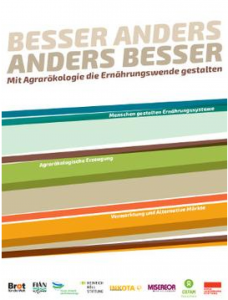 In der Broschüre „Besser Anders. Anders Besser“ zeigen
 Wie ernähren wir uns verantwortungsvoll? Ernährungsethik zählt zu den neuesten Entwicklungen der praktischen Philosophie. Angesichts der globalen Ernährungskrise stellt sie sich den unausweichlichen Fragen: Wie kann sich die Menschheit ernähren? Wie „gut“ sollten wir essen, so dass alle in den Genuss guten Essens kommen? Wie lässt sich eine Gastroethik begründen?
 Die Bundesregierung begünstigt unter dem Deckmantel der Hungerbekämpfung einseitig die Agenda großer Agrarkonzerne, empfiehlt konkrete Markenprodukte und zum Teil hochgiftige Pestizide. Zu diesem Fazit kommt
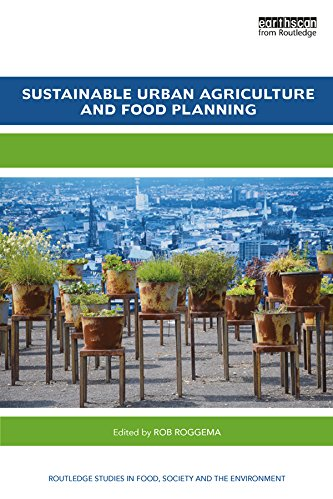
 About the book: „As urban populations rise rapidly and concerns about food security increase, interest in urban agriculture has been renewed in both developed and developing countries. This book focuses on the sustainable development of urban agriculture and its relationship to food planning in cities.