Tomorrow – Die Welt ist voller Lösungen

Tomorrow – Die Welt ist voller Lösungen

Dokumentarfilm zeigt innovative Projekte statt großer Probleme

In einer Zeit, in der uns täglich düstere Hiobsbotschaften von Klimakatastrophen und Ähnlichem zu lähmen scheinen, setzt der Dokumentarfilm Tomorrow auf Lösungen. Der Aktivist Cyril Dion und die Schauspielerin Mélanie Laurent ziehen mit ihrem Filmteam los und fragen: Was, wenn es die Formel gäbe, die Welt zu retten? Was, wenn jeder von uns dazu beitragen könnte? Sie sprechen mit ExpertInnen und besuchen weltweit Projekte und Initiativen, die alternative ökologische, wirtschaftliche und demokratische Ideen verfolgen. Was sie finden, sind Antworten auf die dringendsten Fragen unserer Zeit. Und die Gewissheit, dass es eine andere Geschichte für unsere Zukunft geben kann.

Der Film wurde mit dem César als Bester Dokumentarfilm ausgezeichnet und avancierte in Frankreich bereits zum Doku-Liebling 2016. Am 29. April feiert der Film seine Berlin-Premiere im City Kino Wedding in Anwesenheit des Filmemachers und Aktivisten Cyril Dion.

Auf der Homepage zum Film finden sich neben Kinodaten auch eine Übersicht der AktivistInnen und ExpertInnen des Films sowie ein Blog zum Thema Landwirtschaft, der die Top 5 der lokalen Lösungen für eine bessere Ernährung in Deutschland vorstellt.

IWETomorrow – Die Welt ist voller Lösungen
PROteINSECT’s Final Conference

PROteINSECT’s Final Conference

Research on insects as a sustainable source of protein for animal feed

not to be picky but…

PROteINSECT is an EU funded FP7 project enabling the exploitation of insects as a sustainable source of protein for animal feed. Currently more than 80% of the protein requirements for livestock rearing in the European Union is imported from non-EU countries.

The project brought together expertise from China, Africa and Europe to encourage and enable the adoption of fly larvae protein into animal feed around the world.

The project’s research focuses on five key areas in order to evaluate insects as a novel source of protein for animal feed and wants to ensure that methodologies are sustainable and economically viable.

  • The development and optimization of fly larvae production methods for use in both developed and developing countries at small and large scale.
  • Determination of safety and quality criteria for insect protein products.
  • Evaluation of processing methodologies and the evaluation of crude and refined insect protein extracts in fish, chicken and pig feeding trials.
  • The determination of the optimal design of insect-based animal feed production systems utilising the results of a comprehensive life cycle analysis.
  • To build a pro-insect platform in Europe to encourage adoption of sustainable production technologies to include examination of the regulatory framework.

April 27, 2016, the project’s final (and sold out) conference will take place in Brussels. PROteINSECT will present its international work, findings and results to demonstrate and share the knowledge it has generated to enabling the exploitation of insects as a sustainable source of protein.

We are expecting the results with a great deal of curiosity. Especially since this project is funded under the premise that a huge amount of livestock will need to be fed in the future. But unsustainable sources of animal feed are not the only problem when it comes to present and growing meat consumption. (The project also aimed to research on insects as protein source for human nutrition in the long run but so far has focused on animal feed.)

Further readings:

IWEPROteINSECT’s Final Conference
The Land For Our Food

The Land For Our Food

A Road Movie Produced by The Access to Land Partnership

The Land For Our Food is a 34 minutes documentary movie produced by the Access to Land network and directed by Julio Molina. The video takes us on the journey of Gavin Bridger, a grower from the Community Supported Agriculture project of Farnham Local Food in England, through various European countries in his quest of accessing land for agroecological farming. The Farnham community food project is actually in search of land and Gavin discovers that this is by far an isolated problem! All over Europe the difficulty to find suitable and affordable land is posing a great barrier to the development of sustainable and often small-scale agriculture. His mentor, Rachel Harries from the Soil Association, links Gavin up to the Access to Land network and the journey is on its way.

This road-movie documentary gives us insights into the contexts and approaches of civil society initiatives from various countries in Europe regarding access to land: England, France, Spain, Italy and Romania. Gavin meets some of the initiatives from the Access to Land network, and also meets farmers and journalist George Monbiot to better understand the scope and historical roots of access to land issues. This documentary provides a very concrete introduction to access to land issues in Europe and captures a range of practical experiences in a unique way!


IWEThe Land For Our Food
Saatgut: Wer die Saat hat, hat das Sagen

Saatgut: Wer die Saat hat, hat das Sagen

Buch von Anja Banzhaf

„Wer die Saat hat, hat das Sagen.“ Das Sprichwort bringt es auf den Punkt: Wer unser Saatgut kontrolliert, kontrolliert die gesamte Nahrungs-mittelkette. Die Agrarindustrie versucht weltweit die Kontrolle über die Saat zu übernehmen. Doch vielerorts kämpfen Bäuerinnen und Gärtner dafür, über ihr Saatgut und ihre Art der Landwirtschaft selbst zu bestim-men. Welche Wege Samengärtner, Züchter und Aktivistinnen finden, um die Sortenvielfalt zu erhalten, schildert dieses liebevoll gestaltete Buch.

IWESaatgut: Wer die Saat hat, hat das Sagen
Performances über Lebensmittelverschwendung

Performances über Lebensmittelverschwendung

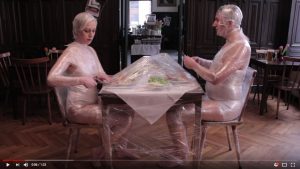
Das Duo Honey & Bunny

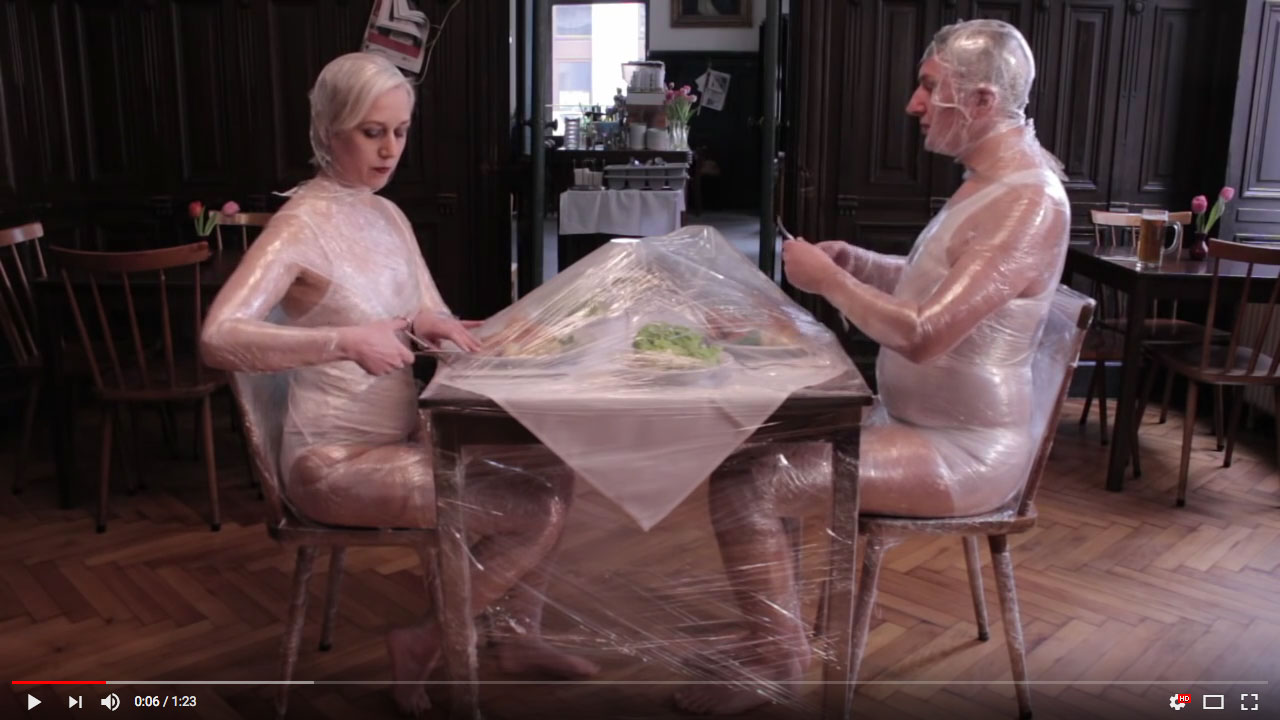
Honey & Bunny aka Sonja Stummerer und Martin Hablesreiter sind ein Performance-Duo aus Österreich. Sie begannen ihre Karrieren als Architekten und veröffentlichten drei Bücher sowie einen Dokumentarfilm über Industrial Food Design und darüber, wie Kultur unsere ästhetischen Erwartungen an Lebensmittel prägt.

Inzwischen sind sie jedoch vor allem mit ihren ironisch-charmanten Performance-Arbeiten über die Auswirkungen von Lebensmittelproduktion und -konsum auf die Umwelt bekannt geworden.

Mehr Informationen und Videos finden Sie auf der Website Honey & Bunny.

IWEPerformances über Lebensmittelverschwendung
Iss was?! – Tiere, Fleisch & ich

Iss was?! – Tiere, Fleisch & ich

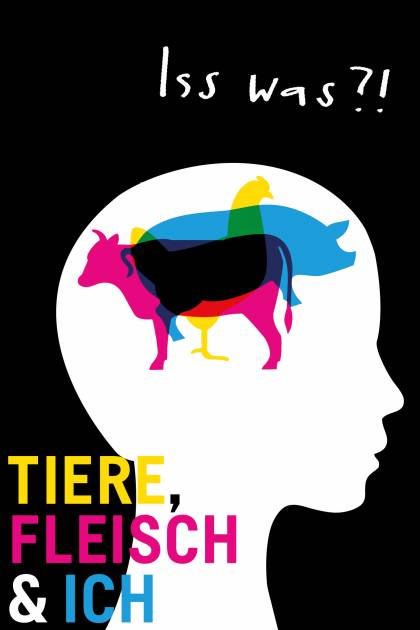
Ein Buch für Kinder und Jugendliche

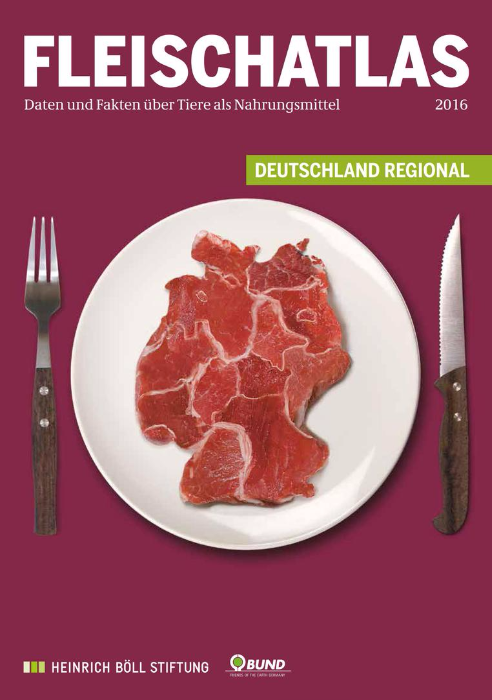
Essen kann gut schmecken oder auch nicht. Essen kann gesund sein oder auch nicht. Es gibt also gute Gründe, nach der Zusammensetzung und der Herkunft von Lebensmitteln zu fragen. Das gilt ganz besonders für Fleisch.

Immer mehr Menschen – auch Kinder und Jugendliche – wollen wissen, wie die Tiere auf ihrem Speiseplan gelebt haben, wie sie geschlachtet und gefüttert wurden. Aber das ist gar nicht so einfach herauszufinden, denn auf der Verpackung im Supermarkt steht so etwas nicht. Iss was?! – Tiere, Fleisch & ich will Abhilfe schaffen und die wichtigsten Informationen zum Thema „Fleisch“ für alle verständlich und anschaulich präsentieren. Es zeigt, dass persönliche Entscheidungen oft eine große Tragweite haben – und dass ein Stück Fleisch auf dem Teller manchmal eine große Bedeutung hat für andere Regionen auf der Welt.

Hgg.: Heinrich-Böll-Stiftung, illustriert von Gesine Grotrian.


IWEIss was?! – Tiere, Fleisch & ich
Reserveantibiotika in der Milcherzeugung in Deutschland

Reserveantibiotika in der Milcherzeugung in Deutschland

Hintergrundpapier von Germanwatch

Praktiker und Tierärzte berichten in Übereinstimmung mit wissenschaftlichen Untersuchungen über steigende Einsätze von Reserveantibiotika im Kuhstall. Dies erhöht die Gefahr, dass sich bei Kühen gegen diese „letzten Mittel“ resistente Keime entwickeln, die dann auch auf Menschen übertragen werden können. Bereits heute sterben in Deutschland pro Jahr mehr als 15.000 Menschen, weil Antibiotika nicht mehr wirken. Germanwatch liefert zu diesem Themenkomplex das Hintergrundpapier Reserveantibiotika in der Milcherzeugung in Deutschland.


IWEReserveantibiotika in der Milcherzeugung in Deutschland
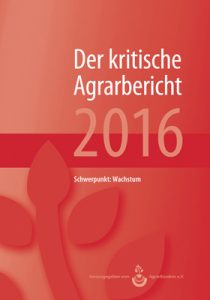
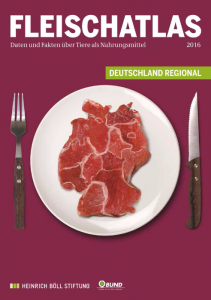
Der Kritische Agrarbericht 2016

Der Kritische Agrarbericht 2016

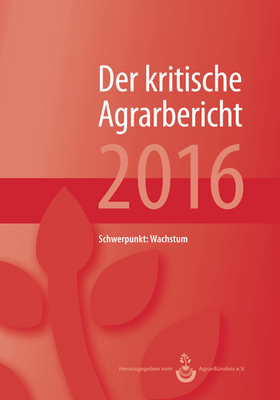
Am 14. Januar 2016 erschien zum 15. Mal der Kritische Agrarbericht. Schwerpunkt des diesjährigen Agrarberichts ist Wachstum bzw. die Grenzen desselben.

Mit dabei u. a. auch die IWE-Mitglieder Tanja Busse, Franz-Theo Gottwald und Valentin Thurn sowie Urs Niggli, Martin Häusling und Isabel Boergen u. v. m. Einen großen Teil der Artikel gibt es online.

Stichworte: Glyphosat, Milchkrise, TTIP, Landgrabbing


IWEDer Kritische Agrarbericht 2016
High and Dry. Climate Change, Water and the Economy

High and Dry. Climate Change, Water and the Economy

World Bank Study links uneven water supply, SDGs and migration
From the executive summary of the World Bank Study, High and Dry. Climate Change, Water and the Economy:
„The impacts of climate change will be channeled primarily through the water cycle, with consequences that could be large and uneven across the globe. […]

Changes in water availability and variability can induce migration and ignite civil conflict. Food price spikes caused by droughts can inflame latent conflicts and drive migration. Where economic growth is impacted by rain-fall, episodes of droughts and floods have generated waves of migration and statistical spikes in violence within countries.

In a globalized and connected world, such problems are impossible to quarantine. And where large inequities prevail, people move from zones of poverty to regions of prosperity which can lead to increased social tensions.

This is why water management will be crucial in determining whether the world achieves the Sustainable Development Goals (SDGs) and aspirations for reducing poverty and enhancing shared prosperity. Water is the common currency which links nearly every SDG, and it will be a critical determinant of success.“

World Bank. 2016. “High and Dry: Climate Change, Water, and the Economy.” Executive Summary. World Bank, Washington, DC.
IWEHigh and Dry. Climate Change, Water and the Economy
Documentary: A Thousand Suns

Documentary: A Thousand Suns

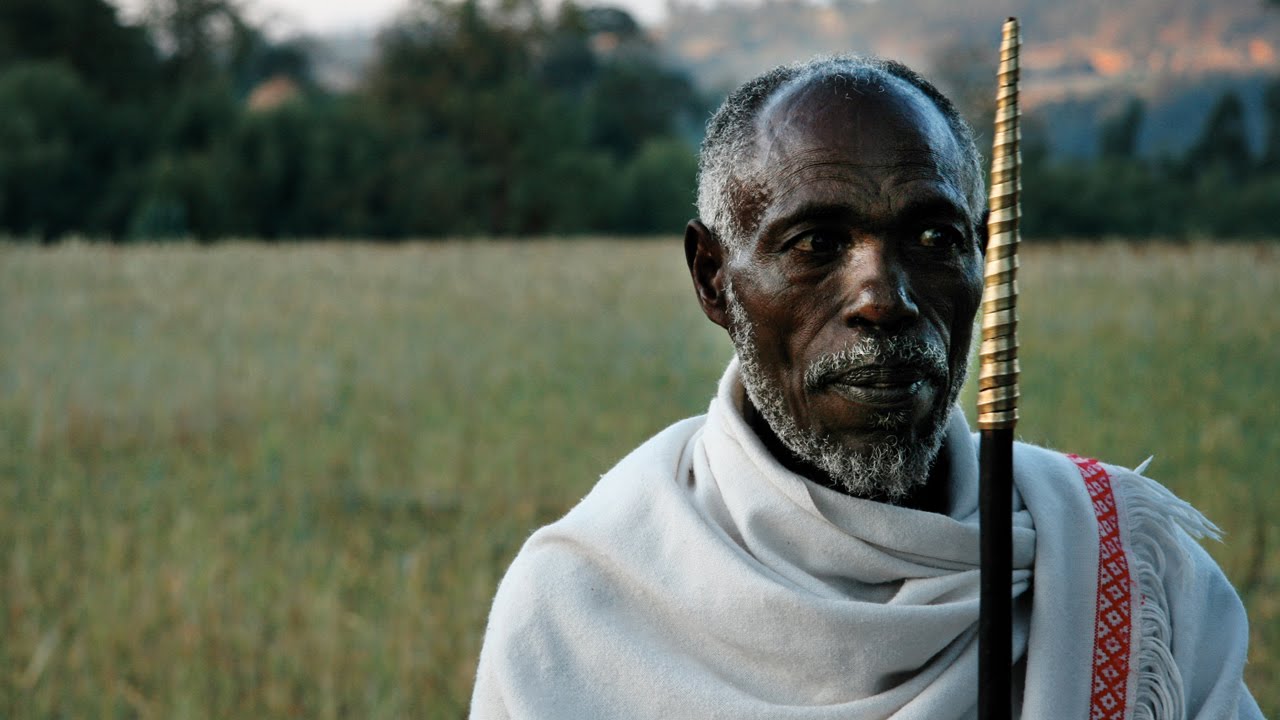
A Thousand Suns tells the story of the Gamo Highlands of the African Rift Valley and the unique worldview held by the people of the region.This isolated area has remained remarkably intact both biologically and culturally. It is one of the most densely populated rural regions of Africa yet its people have been farming sustainably for 10,000 years.

Shot in Ethiopia, New York and Kenya, the film explores the modern world’s untenable sense of separation from and superiority over nature and how the interconnected worldview of the Gamo people is fundamental in achieving long-term sustainability, both in the region and beyond.


IWEDocumentary: A Thousand Suns